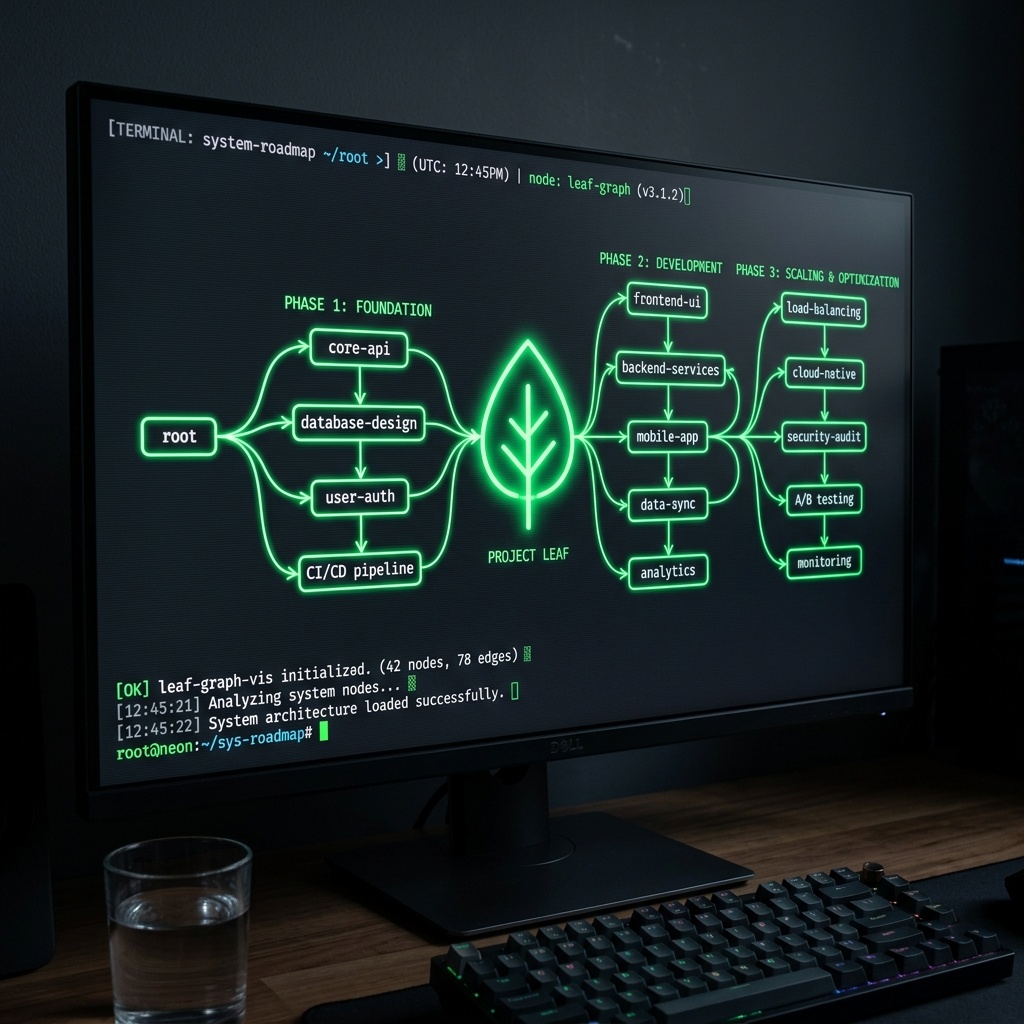
Spring Boot Learning Roadmap
Spring Boot is the fastest way to build production-grade Java applications. Follow this path to go from complete beginner to confident backend developer.
Phase 1 — Foundations
Before touching Spring Boot, make sure you are solid on Java fundamentals. Skipping this phase leads to confusion later when the framework's magic isn't making sense.
- Java basics — OOP principles, collections framework, generics
- Java 8+ features — streams, lambdas, optional, functional interfaces
- Maven or Gradle build tools
- REST API concepts — HTTP methods, status codes, JSON
- Basic SQL and relational database concepts
Phase 2 — Spring Boot Core
This is where you start building real applications. Focus on understanding what each annotation does — don't just copy and paste.
- Dependency injection with
@Autowiredand constructor injection - Controllers —
@RestController,@GetMapping,@PostMapping - Services and Repositories — layered architecture pattern
- Spring Data JPA for database access without boilerplate SQL
- Configuration with
application.propertiesand profiles - Exception handling with
@ControllerAdvice - Input validation with Bean Validation and
@Valid
Phase 3 — Production Skills
This phase separates developers who can build tutorials from developers who can ship real software.
- Security with Spring Security — JWT authentication, role-based access
- Testing with JUnit 5 and MockMvc — unit and integration tests
- Docker deployment — containerize your Spring Boot app
- Monitoring and logging — Spring Actuator, SLF4J, Logback
- API documentation with Springdoc OpenAPI / Swagger UI
Phase 4 — Advanced Topics
- Microservices with Spring Cloud
- Asynchronous processing with
@Asyncand Spring Events - Caching with Spring Cache and Redis
- Message queues with RabbitMQ or Apache Kafka
- Database migrations with Flyway or Liquibase
Recommended Learning Path by Timeline
| Phase | Timeline | Goal |
|---|---|---|
| Phase 1 — Java Foundations | 2–4 weeks | Write basic Java programs confidently |
| Phase 2 — Spring Boot Core | 4–6 weeks | Build a working REST API with database |
| Phase 3 — Production Skills | 4–6 weeks | Secure, test, and deploy your application |
| Phase 4 — Advanced Topics | Ongoing | Add complexity as projects demand it |
Your First Project
Build one complete project — a todo API or a blog backend — and you will learn more than reading ten tutorials. Include:
- User registration and JWT authentication
- CRUD operations with PostgreSQL
- Input validation and error handling
- Unit tests for the service layer
- Docker compose for local development
💡 Key principle: Don't try to master Spring Boot before building. Build, break things, read the error messages carefully, and fix them. That loop is how developers actually learn.
Frequently Asked Questions
Do I need to learn Spring before Spring Boot?
No. Spring Boot is designed to simplify Spring configuration. Start with Spring Boot directly — you'll encounter Spring concepts naturally as you build and can deepen that knowledge as needed.
What database should I use with Spring Boot?
PostgreSQL is the recommended choice for production applications. For learning and local development, H2 (in-memory database) is convenient because it requires zero setup.
Is Java still worth learning in 2026?
Absolutely. Java remains one of the top languages in enterprise software, Android development, and large-scale backend systems. Spring Boot specifically powers a huge percentage of enterprise APIs and microservices worldwide.
How long does it take to get a job as a Spring Boot developer?
With dedicated study and a solid portfolio project, most motivated learners are job-ready within 6–12 months. Focus on phases 2 and 3, and ship a real project to GitHub.